
Your Worksheet Is Boring Because It Has No World
Projects need Worlds

A kid once told me worksheets felt like “doing taxes for school.”
He wasn’t wrong. A page of questions with lines for answers is a contract with no story in it. Complete this. Move on. No one is waiting for your answer. Nothing depends on it.
The fix isn’t necessarily know the ins and outs of project-based learning or game-based education. Not points, not badges, not a leaderboard. The fix is giving the work a world a narrative container created by YOU that makes the student the protagonist, not the respondent.
Here’s what that looks like in practice.
The Wrapper, Not the Content
The questions don’t change (Unless they need to). The learning goal doesn’t change (Unless it’s too complex). What changes is the fictional premise that frames why those questions matter.
A worksheet asking students to calculate percentages is a worksheet. The same calculations, delivered as a budget crisis memo from a space station commander who needs her crew to figure out how much oxygen remains before the resupply ship arrives that’s a project.
Same maths. Completely different relationship to the work.
The genre you wrap around the content determines the emotional stakes, the role the student plays, and whether they give a damn.
Below are six World wrappers. Each one includes what the boring version looks like , and what it becomes when you give it a world.
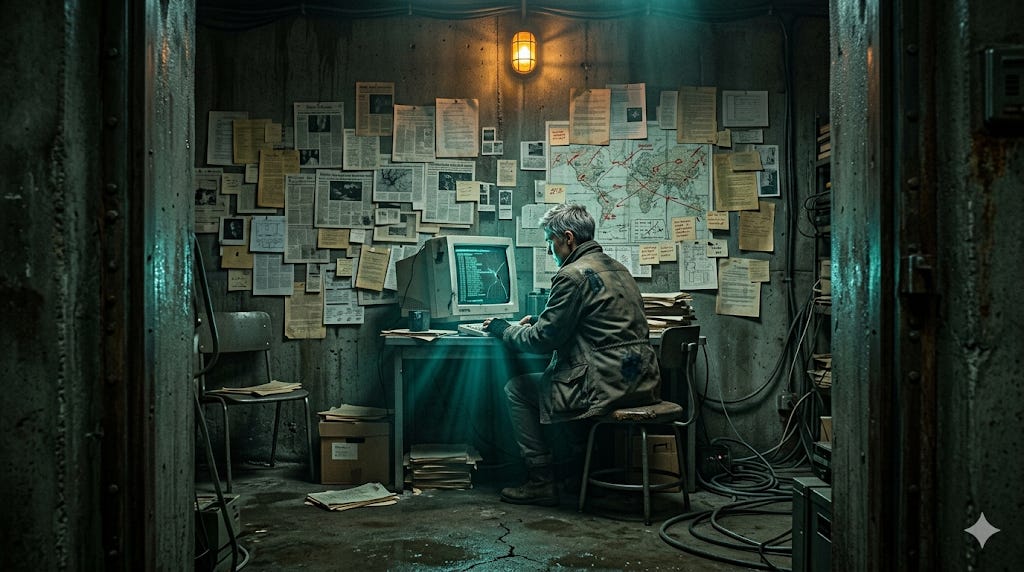
1. The Dystopian Archive
Sci-fi / post-apocalyptic
The boring version:
“Research Skills: Evaluating Sources.” Question 1: What makes a source reliable? Question 2: Find three facts about World War I from different sources.
A grey sheet. Blank answer lines. A cheap biro. Nothing waiting on the other side.
The world version:
The internet went down. The last functional AI holds fragments of corrupted knowledge and needs a human archivist to reconstruct the truth. The student is that archivist. Their job is to recover, verify, and document. Questions become recovery protocols. Errors have in-world consequences.
Works brilliantly for: research tasks, source evaluation, history, fact-checking skills.
Opening line on the task sheet: “ARCHIVE RECOVERY REQUEST — Node 7 has incomplete data on the causes of World War I. Reconstruction required before morning briefing.”
2. The Field Dispatch
Exploration / adventure journalism
The boring version:
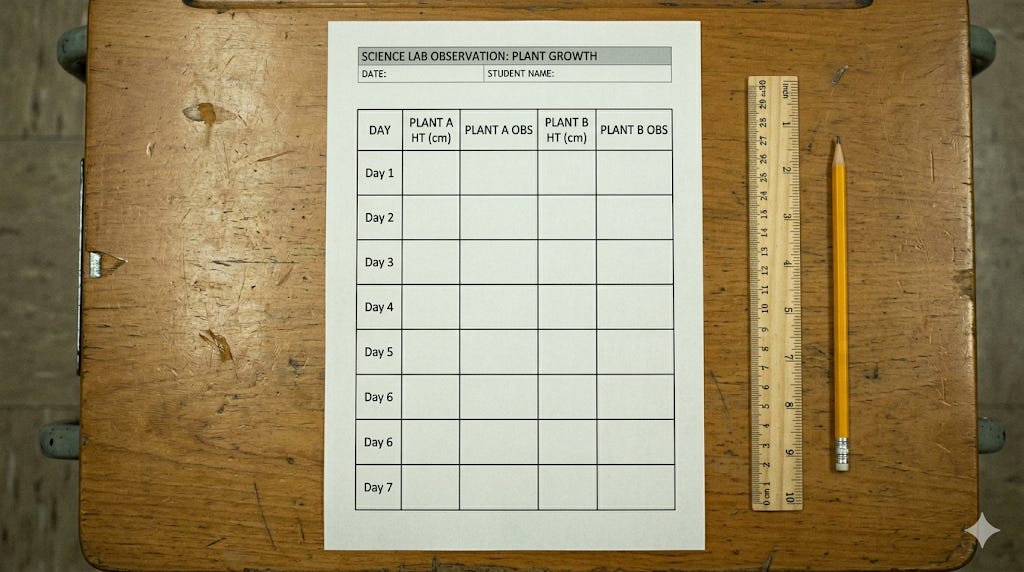
“Ocean Ecosystems Lab Report.” Name three bioluminescent sea creatures. Describe their habitat. Explain how bioluminescence works.
A table with blank cells. A ruler. A pencil. Fluorescent light from above.
The world version:
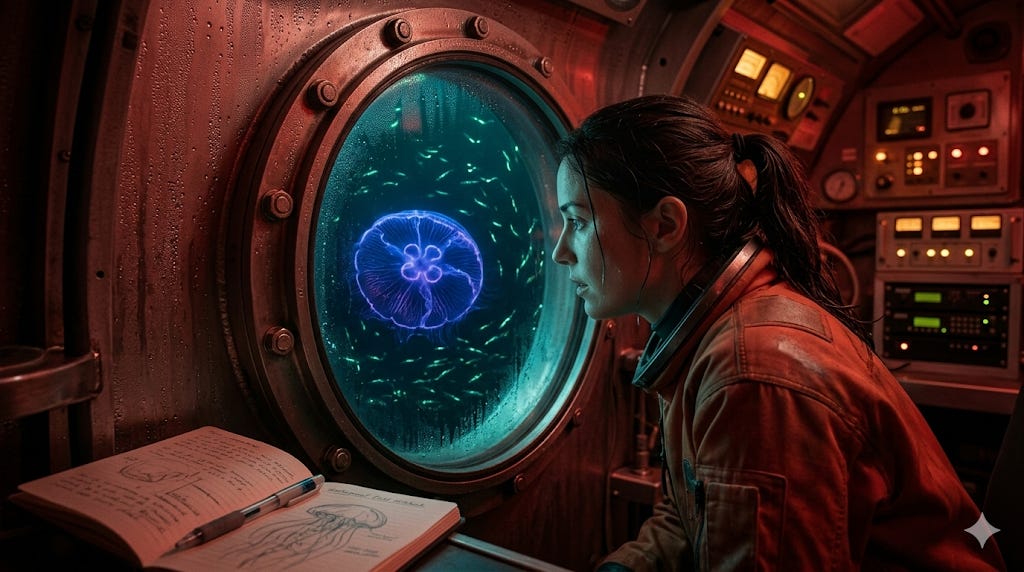
The student is a marine biologist 400 metres below the surface of the Pacific. No line answers. They write dispatches. They sketch observations. They make recommendations under pressure, before the submersible loses signal.
Works brilliantly for: science labs, social studies, environmental projects, data collection tasks.
Opening line on the task sheet: “You’re 400m below the surface. Headquarters needs your bioluminescence findings before the submersible loses signal.”
3. The Unreliable Narrator
Mystery / detective fiction
The boring version:
“Primary Sources Activity.” Read the four accounts of the Boston Massacre below. Answer comprehension questions 1–8.
Eight numbered questions. A comprehension task dressed as a history lesson. No one lied. No one had a motive. Nothing is at stake.
The world version:
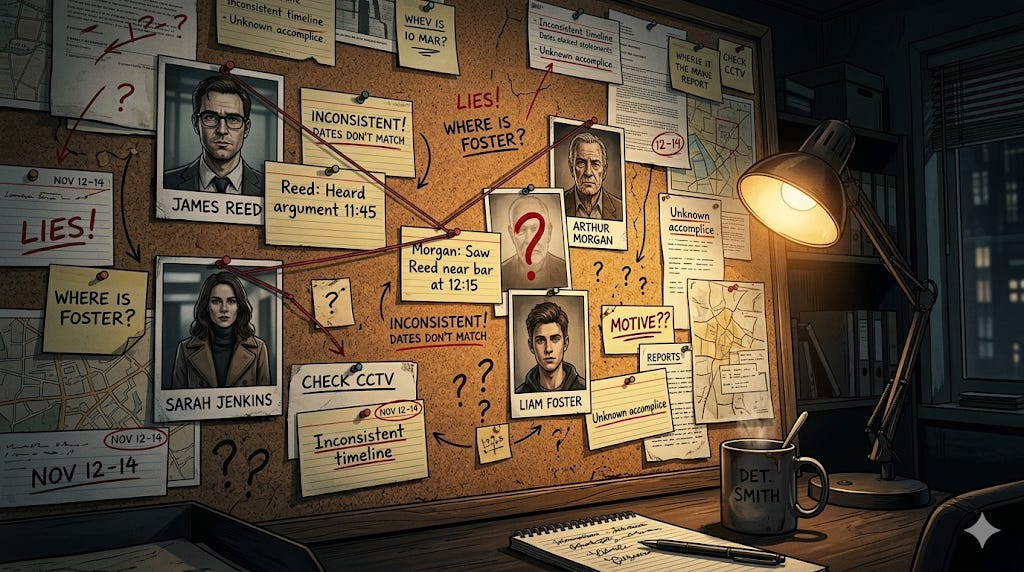
Something is wrong with the information. A document has been forged. A witness is lying. A historical account has been tampered with. The student has to find the inconsistency.
This wrapper turns comprehension into investigation. The student isn’t looking for the right answer they’re looking for the lie.
Works brilliantly for: primary source analysis, media literacy, maths error-checking, literary analysis.
Opening line on the task sheet: “Four witnesses described the same event. Only one is telling the truth. Cross-reference their accounts and build your case.”
4. The Last Council
Epic fantasy / high-stakes governance
The boring version:
“Persuasive Writing Task.” Choose a position on the following issue. Write a five-paragraph essay supporting your view.
A scaffold. An introduction box. An eraser nearby with smudge marks. No civilisation depending on the answer.
The world version:
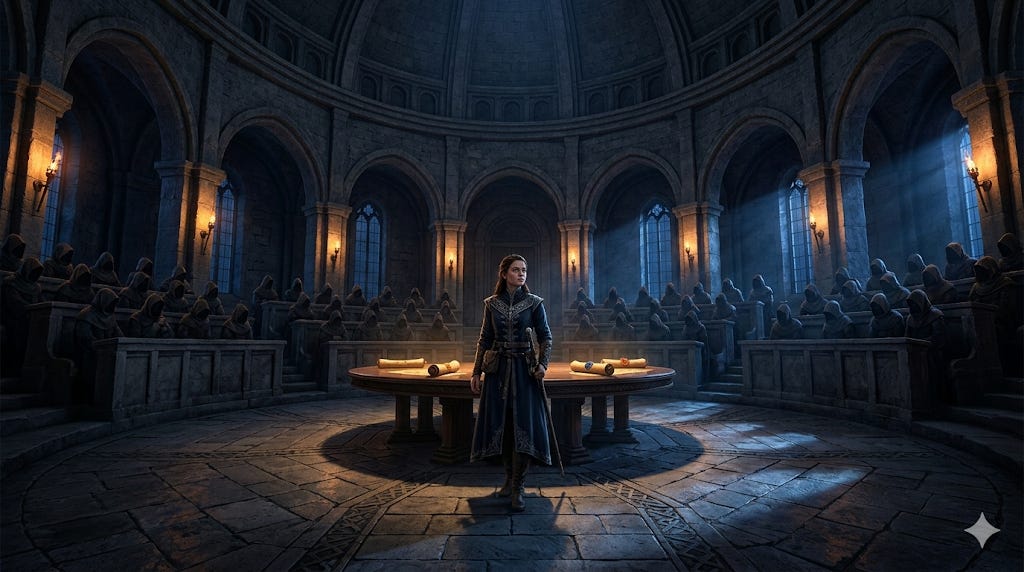
The council is divided. A decision must be made by dawn. The student is the advisor whose research will determine the vote. The persuasive essay is now a council briefing. The debate is now a war council. The student isn’t arguing — they’re advising a civilisation.
Works brilliantly for: persuasive writing, ethics debates, civics, economics, philosophy.
Opening line on the task sheet: “The kingdom of Varell has run out of fresh water. Three proposals have been submitted. You have one night to recommend which the council adopts. Failure means war.”
5. The Transmission
First contact / speculative fiction
The boring version:
“Patterns and Sequences.” Identify the rule for each number sequence. Fill in the missing numbers.
Blank answer boxes. Standard font. A pencil resting across the page.
The world version:
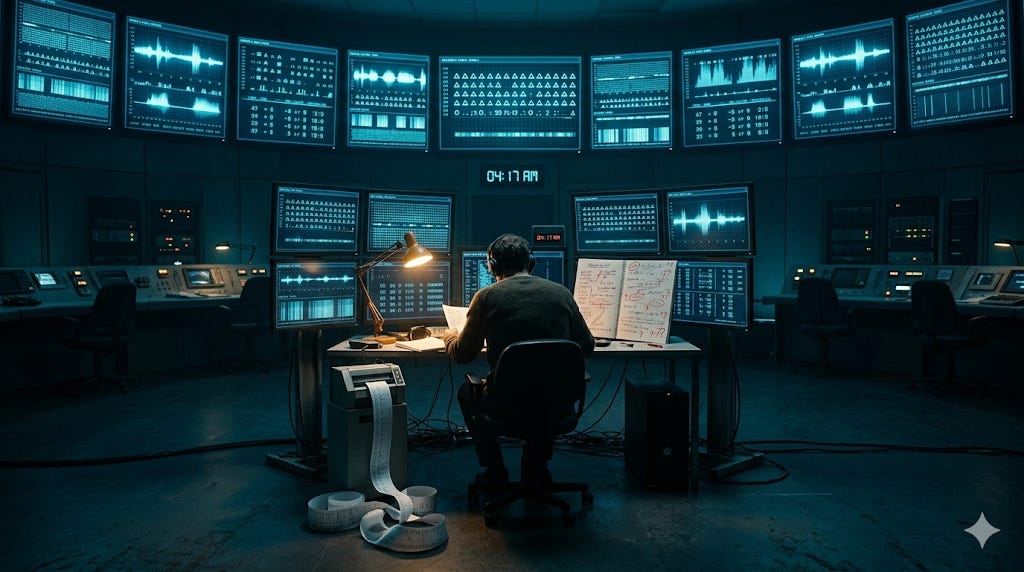
A signal has been received. The content appears to be mathematical. Scientists believe they are being asked a question. The student must decode it and respond.
This wrapper works particularly well for maths and language, because translation and decoding are the skills being taught.
Works brilliantly for: number patterns, foreign languages, logic, code, linguistics.
Opening line on the task sheet: “Signal received 04:17 GMT. Content appears to be mathematical. We believe they are asking a question. Decode and respond.”
6. The Inheritance
Magical realism / literary fiction
The boring version:
“Personal Narrative Writing.” Write about a memory that was important to you. Include sensory details. Minimum 300 words.
White space. A word count at the bottom. Nothing reaching back.
The world version:
Someone left something behind — a journal, a blueprint, a recipe, a map, a letter — and the student must interpret, complete, or continue it.
Quieter than the others. More interior. The right wrapper for reflective tasks, creative writing, personal essays, and portfolio work.
Works brilliantly for: personal narrative, arts integration, identity-based projects, legacy and memory themes.
Opening line on the task sheet: “Your great-grandmother left you her notebooks. The last entry is unfinished. You’re the only one who can complete it.”

The wrapper doesn’t have to be elaborate. Three sentences at the top of a page is enough. What it has to do is answer the question every student asks before they touch the work:
Why does this matter to anyone?
A world answers that. It says: it matters here, in this place, to these people, right now.
That’s not a trick. That’s what stories have always done.
Is this the beginning of “Teachers as World Builders?”
Phil